These toxin absorbing algae coated tiles could be the next big eco-friendly trend! - Yanko Design
The artisan and textile industry in Bharat has always been a vital part of the country'due south culture. It has thrived, spreading it's piece of work all over the world, garnering much appreciation and revenue in the name of talent and of grade, the country. Unfortunately, the wastewater left behind by this industry is some other affair altogether. Over 70% of the water resources in India are contaminated due to untreated discharge of wastewater. And it is estimated that artisan industries compose 40% of the total wastewater. Moved past this dilemma, architect Shneel Malik created Indus.
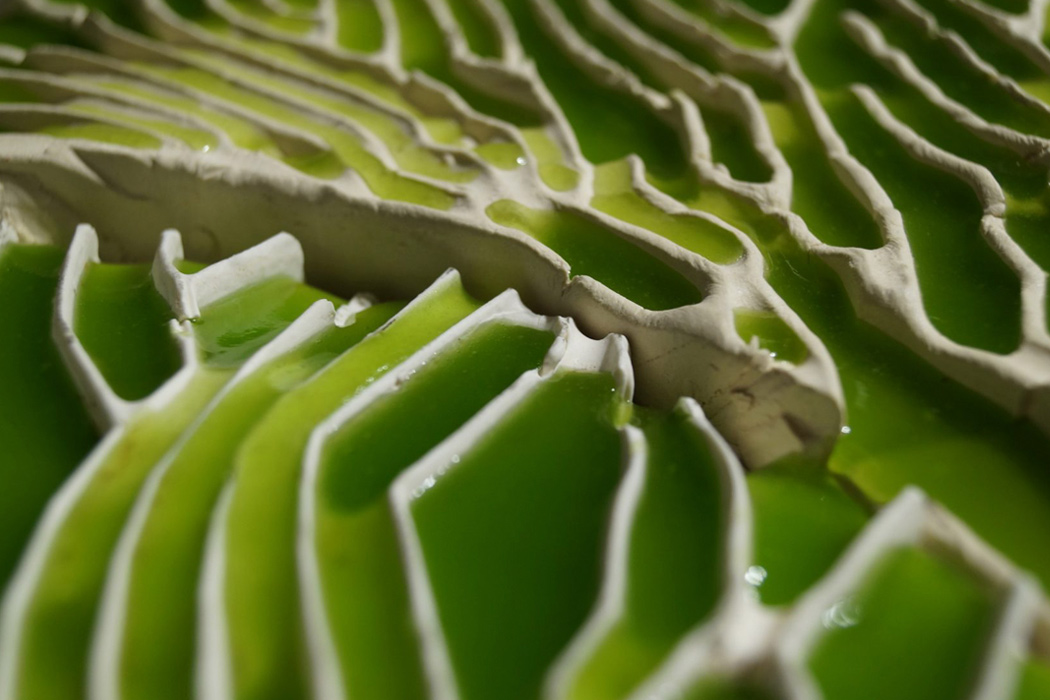
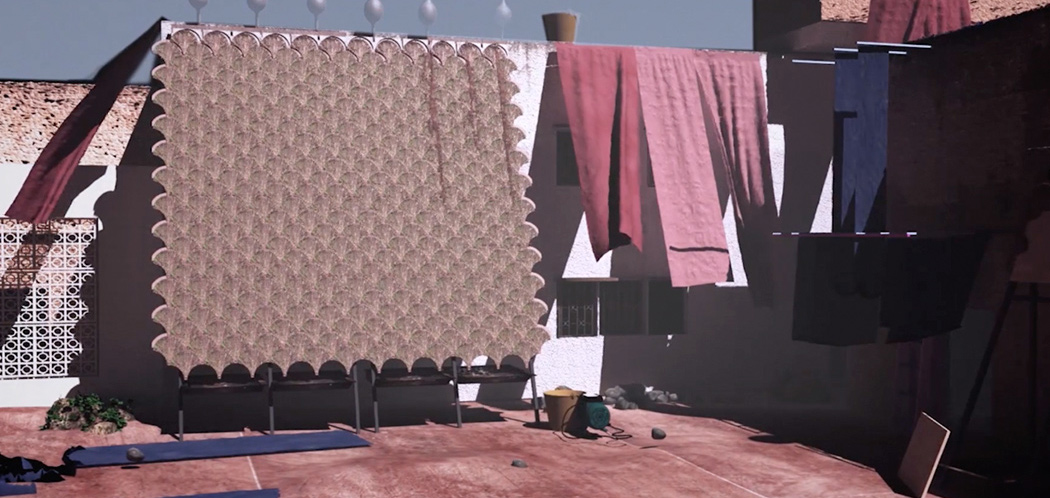
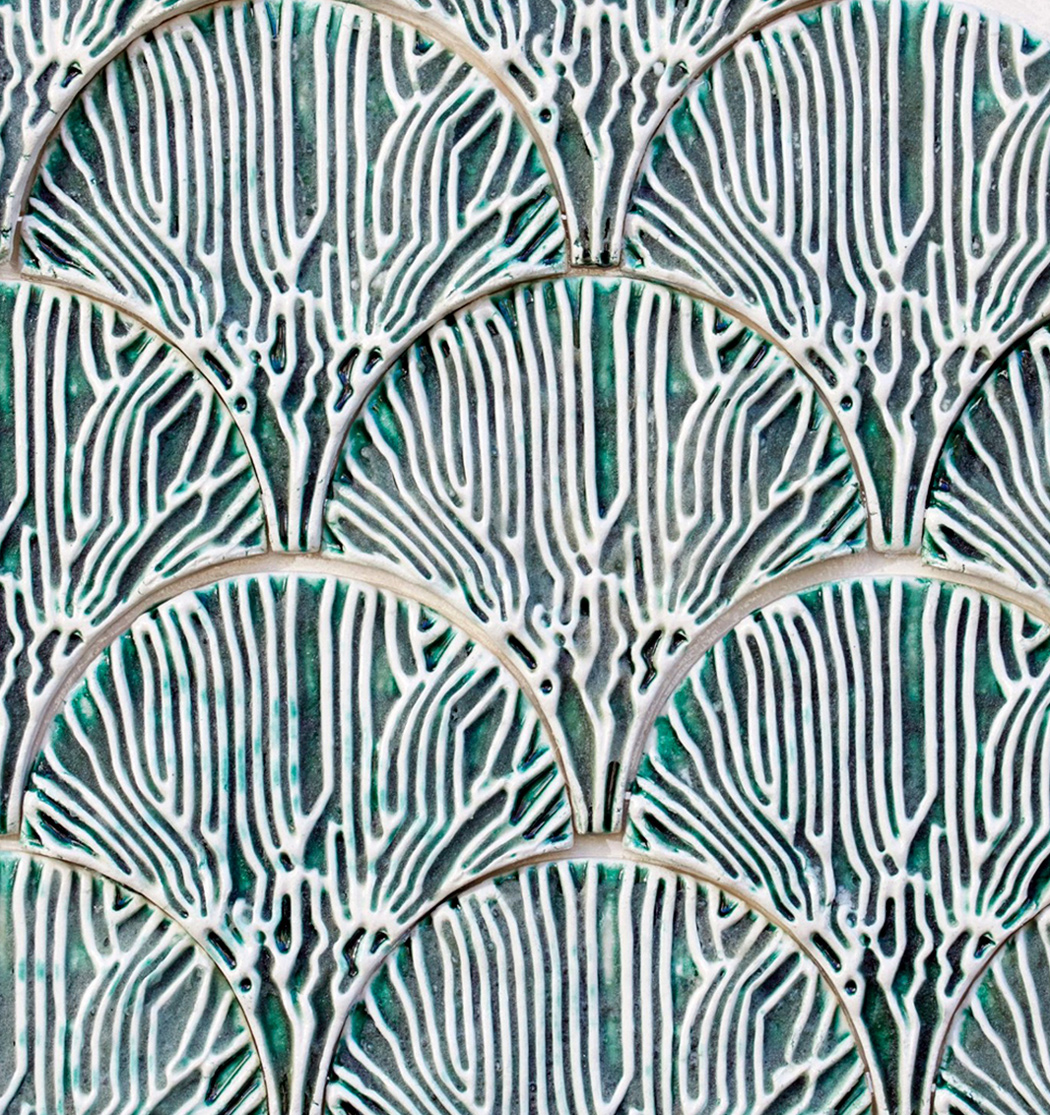
A part of the Bio-Integrated Pattern Lab at the Bartlett School of Architecture, Malik came up with this tile-based, modular bioreactor wall arrangement for cleaning water through 'bioremediation'. The goad behind bioremediation is algae, the single-celled, not-flowering organism plant sprawled virtually on every bounding main bed. The algae suck or filter out the toxic chemicals and impurities from the wastewater. They are able to do and so because of a symbiotic human relationship that exists between them and the pollutants. The microorganisms release a gear up of compounds called phytochelatins, allowing them to trap pollutants which they then use for their ain nutrition and growth. Hence the water is completely rid of harmful pollutants such as cadmium, whereas the same pollutants are then stored in the algae cells aiding their sustenance.
Designer: Shneel Malik
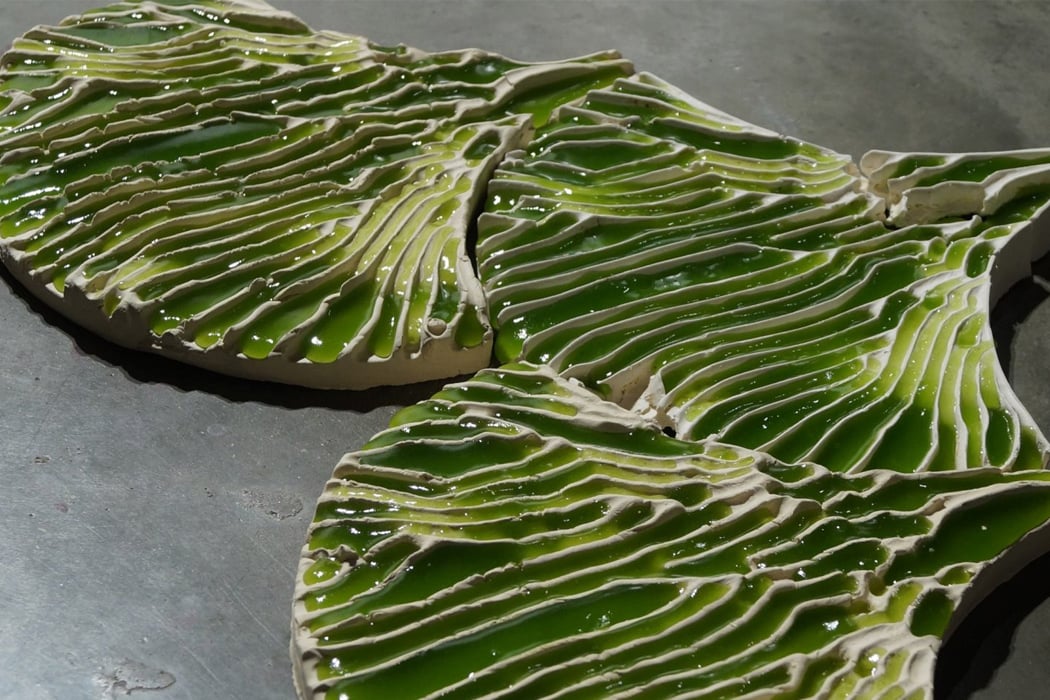
The algae capture pollutants such as cadmium, in turn, cleansing the one-time wastewater.
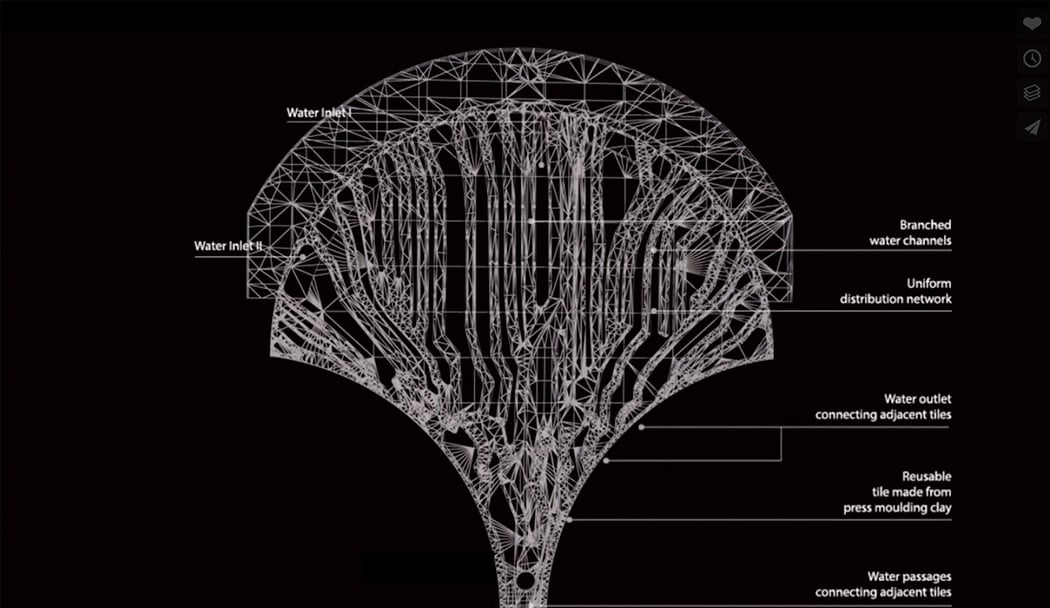
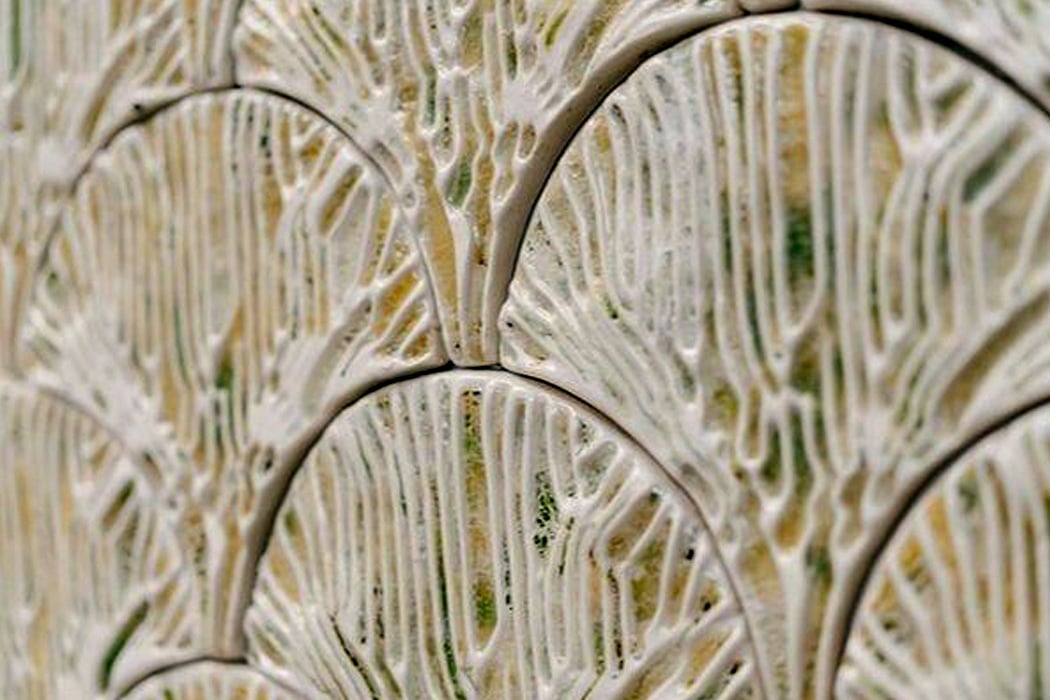
"These site visits made us ameliorate understand the site and context-specific constraints and challenges in wastewater handling. Neither the artisan workers have any space available for Westernized high-tech water treatment solutions, nor do they have the economical chapters to become additional support. . . . Therefore, we started to design a organization—which is both spatially compatible, but more importantly can be constructed and maintained by the artisans themselves." Shneel said. Hence the "goal [behind Indus] is to enable the rural community of artisans, panchayats, to regenerate h2o for reuse within their manufacturing processes", which is one of the reasons why the tiles on the wall systems are made locally using traditional clay making methods. In fact, the entire system is designed to exist "fabricated using locally available materials and techniques, thereby reducing capital expenditure significantly." Inspiration was taken from the architecture of a leaf to blueprint Indus. The water flows over a series of vein-like channels containing algae. The algae aren't administered alone into the leaves but are start prepared in a seaweed-based hydrogel, and the mixture is so added. The hydrogel, which by the manner is wholly recyclable needs to be replaced later it reaches a saturation point. The algae will need to exist replaced as well after a sure signal of fourth dimension, only the tiles can e'er be reused.
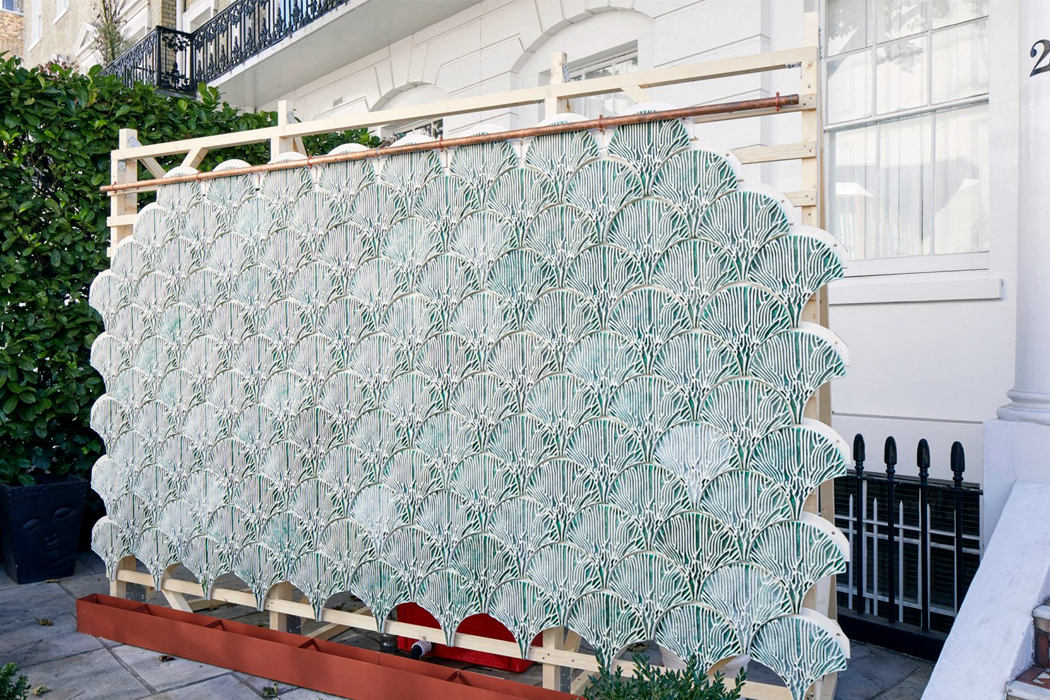
The tiles on the wall systems were designed taking inspirations from leaves.
Though Indus was originally adult for the Indian surroundings, Malik is certain it can be used in different regions and countries to tackle the consequence of h2o pollution. She believes that "it's about finding solutions through natural processes". And through her try of biomimicry, it does seem she has given local communities the access they needed to re-utilize water. Indus did win the international pattern competition called H2o Futures organized by A/D/O, Mini, New York, only with it's naturalistic and bio-integrated approach it is sure to win the dynamic boxing against water pollution as well.
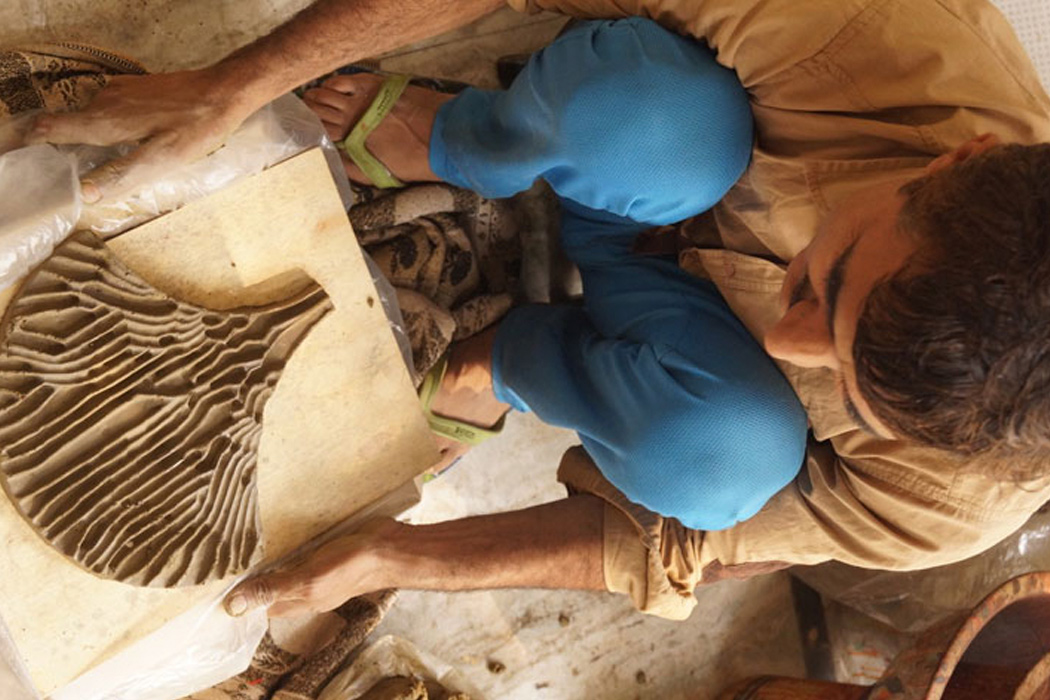
The unabridged system including the clay tiles is built locally using traditional methods.
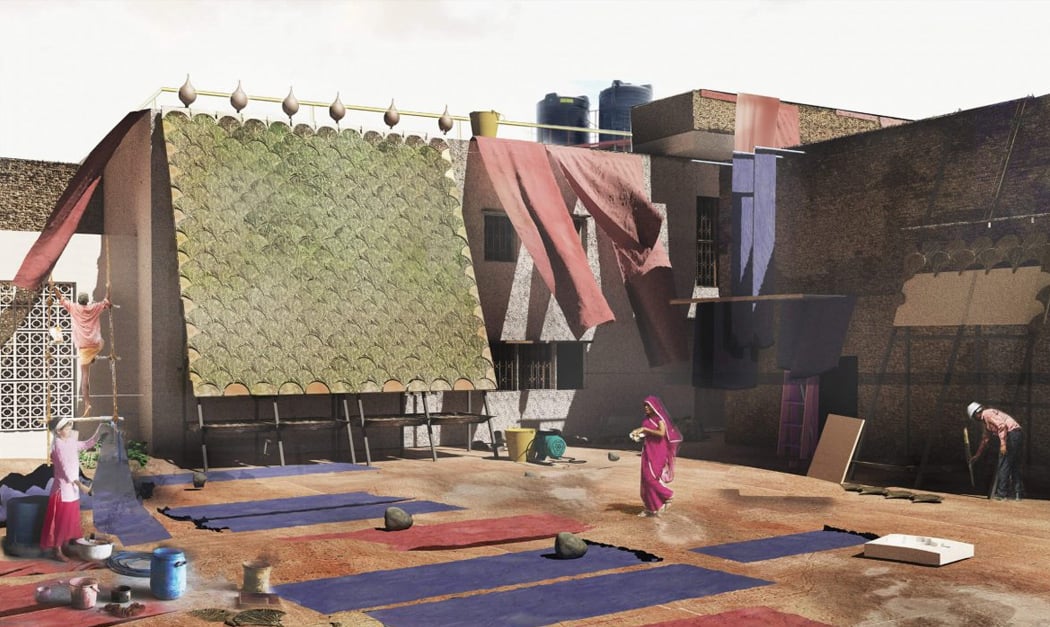
Source: https://www.yankodesign.com/2019/10/17/these-toxin-absorbing-algae-coated-tiles-could-be-the-next-big-eco-friendly-trend/
0 Response to "These toxin absorbing algae coated tiles could be the next big eco-friendly trend! - Yanko Design"
Publicar un comentario